Ever heard of Qpibandee? If you answered no, don’t worry, you’re in for a real treat. This quirky tradition has more layers than your grandma’s lasagna, and we’re here to peel them back one by one. Strap in as we embark on a journey that’s equal parts enlightening and entertaining. Who knows, you might just find a new passion or, at the very least, a great conversation starter.
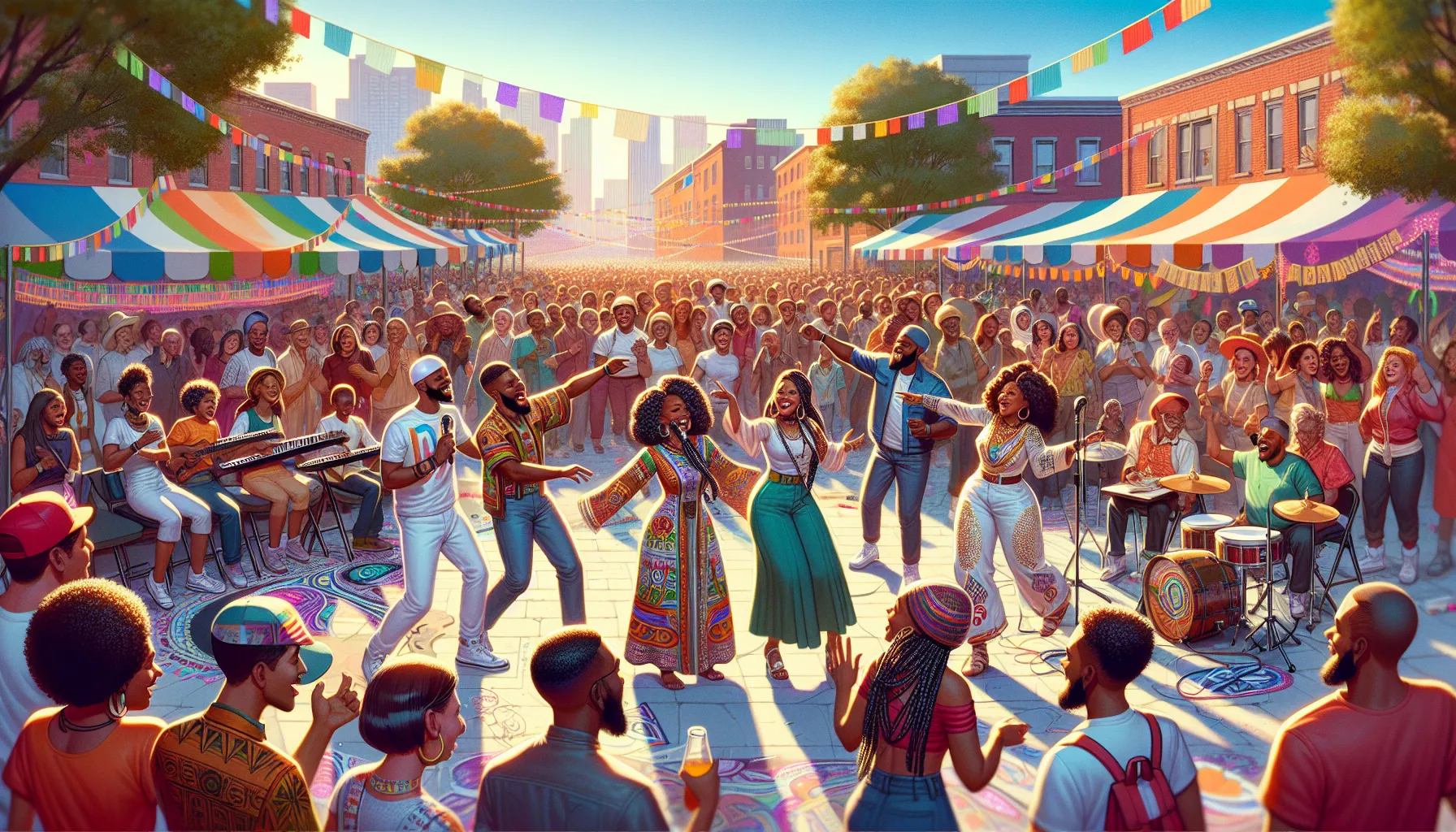
Qpibandee isn’t just a word that’ll baffle your spell check: it’s a vibrant tradition that blends art, culture, and community. At its core, Qpibandee represents a set of practices that values the expression of creativity through various forms, whether it’s music, dance, or visual arts. We often encounter it during significant festivals or community gatherings where people come together to showcase their skills. It’s sort of like the neighborhood block party but with more flair and, dare we say, a sprinkle of magic.
So, what does Qpibandee look like? Picture colorful costumes, rhythmic beats, and laughter echoing through the air. This is where participants embrace not just their own talents but also those of others, creating an enriching tapestry of collective experience. We might think of it as a cultural jam session where everyone’s invited to play their part.
The Origin and History of Qpibandee
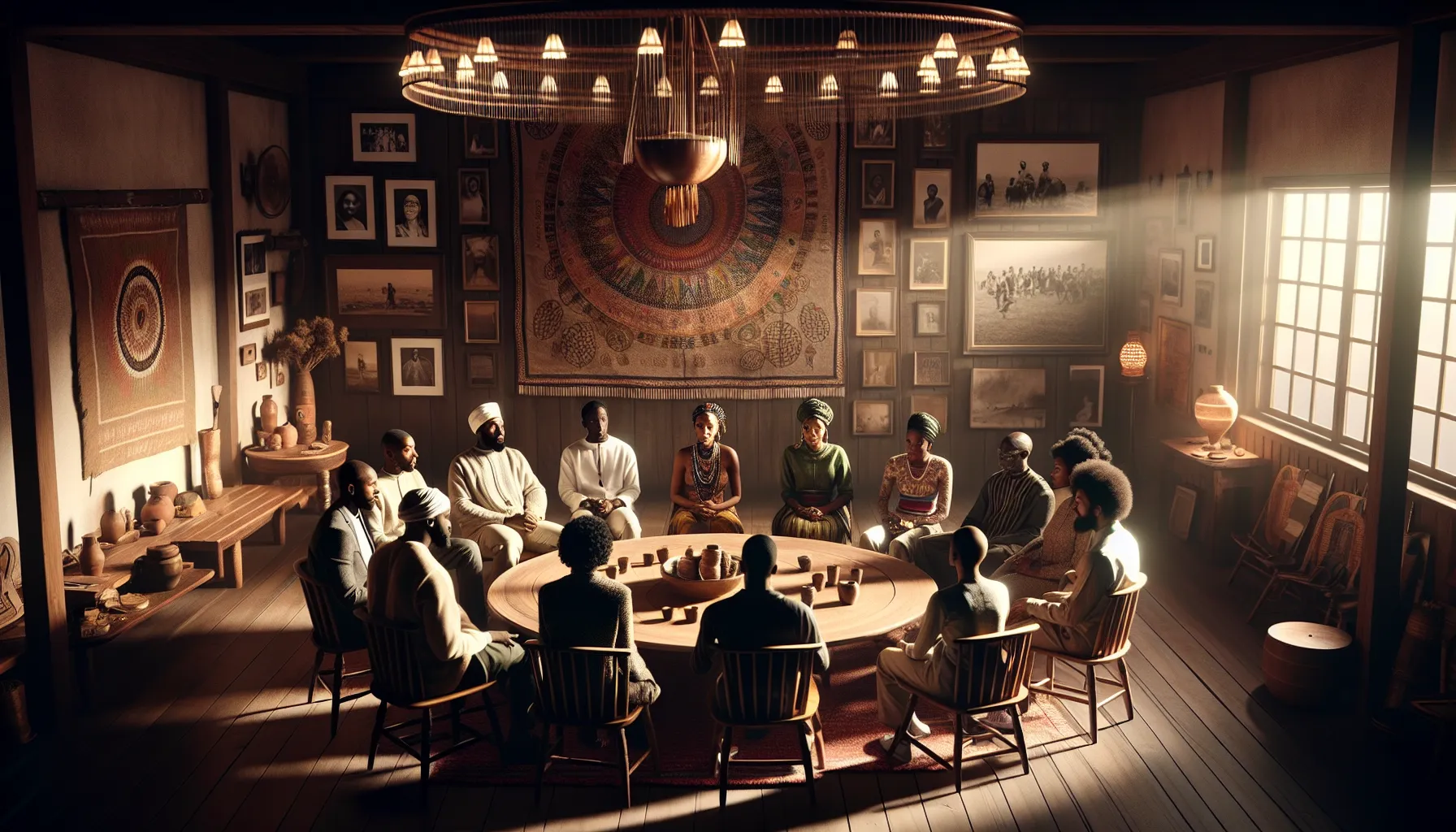
To understand Qpibandee, we must first take a trip down memory lane. The roots of Qpibandee trace back several centuries to a time when communities were smaller, and cultural traditions thrived in more intimate settings. Oral history is key here, as we jump into stories passed down through generations. This rich lineage is not just about the acts themselves but also about the stories and the people behind them.
Interestingly, the term ‘Qpibandee’ is thought to have old-world origins that reflect the spirit of collaboration. While we might not have exact dates or figures, we do have tales of how it brought people together, an early evidence of social solidarity. As we dive deeper into the timeline, we see Qpibandee adapting to modern influences while retaining its essence, much like a classic recipe slightly tweaked over the years.
Cultural Significance of Qpibandee
Qpibandee serves as a beacon of unity, beautifully illustrating how cultural expressions can create bonds among people. It encapsulates values such as authenticity, community spirit, and celebration of diversity. But how is Qpibandee practiced today?
How Qpibandee Is Practiced Today
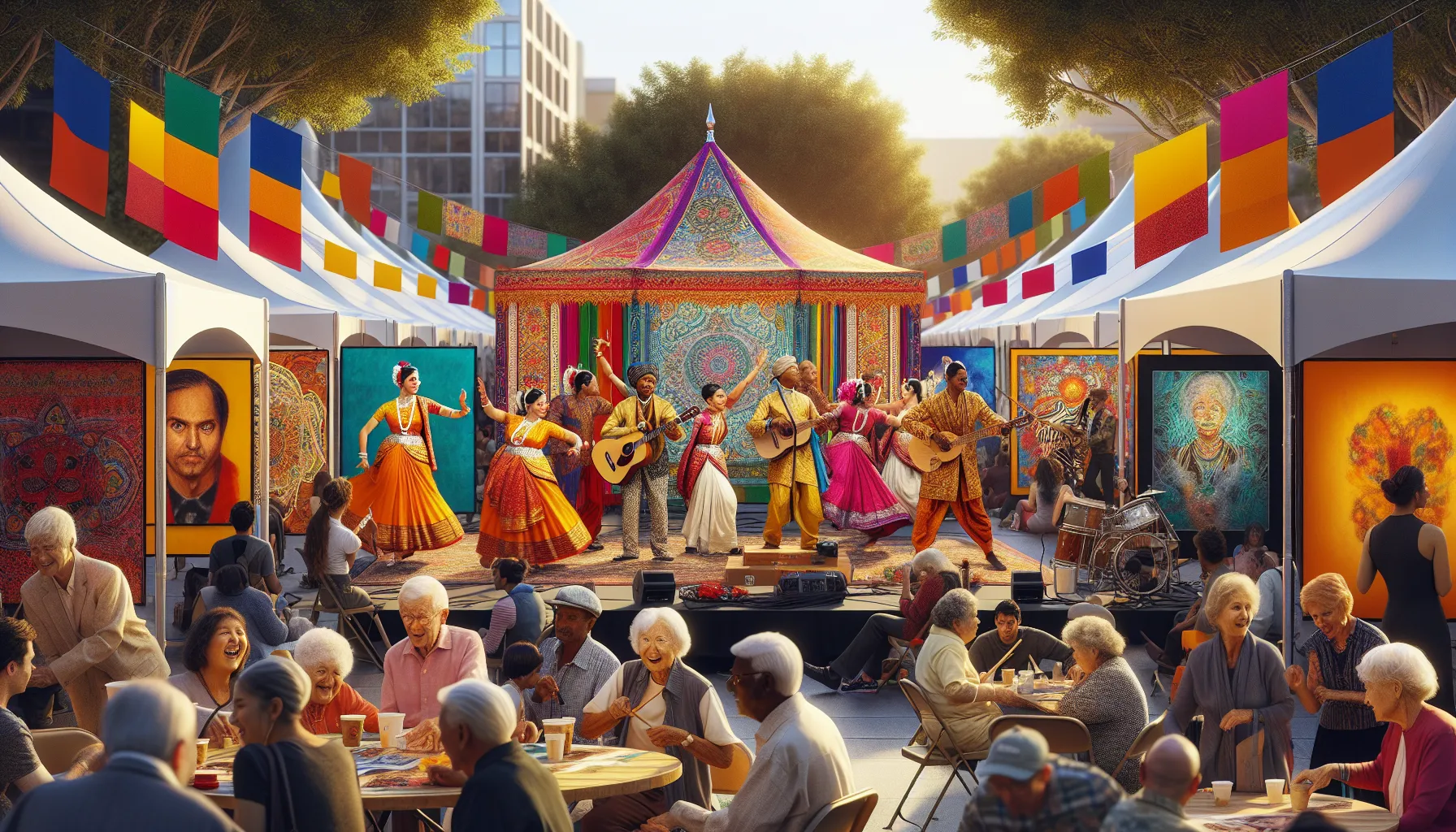
In our contemporary world, Qpibandee can be witnessed during festivals and events where art, music, and tradition intermingle. Local artists and performers often gather, combining traditional elements with modern twists. We see dance showcases that rival any Broadway show, alongside visual arts that pop with creativity. Whether it’s in a bustling urban festival or a cozy local gathering, Qpibandee remains a vibrant part of the cultural landscape.
Qpibandee in Popular Culture
With the rise of social media, Qpibandee has found a new stage, quite literally. We’re witnessing the tradition leap from local events to global platforms. It’s not uncommon to see glimpses of this beautiful art form cropping up in viral videos or popular streaming shows. Influencers and artists alike are beginning to incorporate elements of Qpibandee into their works, giving it a fresh spin and attracting new audiences.
From music collaborations to dance challenges inspired by Qpibandee, the roots of this tradition are spreading far and wide. We can say it’s exciting to stand at this crossroads where tradition meets modernity, exploring how it thrives in the digital age while still maintaining its original spirit.
Challenges Facing the Qpibandee Community
Every friend group has its squabbles, and the Qpibandee community is no different. As this tradition attempts to find its identity in the fast-paced modern world, it faces several challenges. One major hurdle is the risk of cultural appropriation, where Qpibandee elements are borrowed without acknowledgment or respect for their origins. This is where we must tread carefully, advocating for authenticity and respect as the community grows.
Also, we know that generational gaps can create divides. Younger generations may be more focused on contemporary expressions, potentially losing touch with the historical significance of Qpibandee. We believe it’s crucial for all of us, elders, artists, and enthusiasts, to continuously engage in dialogues that bridge these gaps, ensuring that the heart of Qpibandee remains alive and well.