

In the fast-paced world of smartphones, keeping apps fresh is as essential as a morning coffee. Imagine opening your favorite app only to find it’s stuck in the digital equivalent of a traffic jam. Frustrating, right? Luckily, refreshing apps on an iPhone is easier than finding a cat meme on the internet.
How To Refresh Apps On iPhone
App refreshing on an iPhone maintains the functionality and performance of applications. It allows users to update their app data, providing the most current information. Users often find that refreshing apps resolves issues like freezing or lagging. Two types of refreshing exist: manual and automatic. Manual refreshing occurs when users actively pull down on the app feed or tap a refresh button. Automatic refreshing occurs in the background, updating content without user intervention. Refreshing apps contributes to better battery life. When apps run in the background, they may consume unnecessary resources. Adjusting app refresh settings can optimize battery usage while ensuring up-to-date information. The “Background App Refresh” feature proves essential for keeping apps current. Users can enable this setting by navigating to Settings, then selecting General and Background App Refresh. Users can choose to turn it on for all apps or select specific ones, aiding in customization. Learning how to refresh apps on an iPhone provides users direct control over their app experience. It’s beneficial to refresh apps regularly, especially when new content or notifications are expected. Refreshing allows users to stay connected with friends, news, and more.Methods for Refreshing Apps
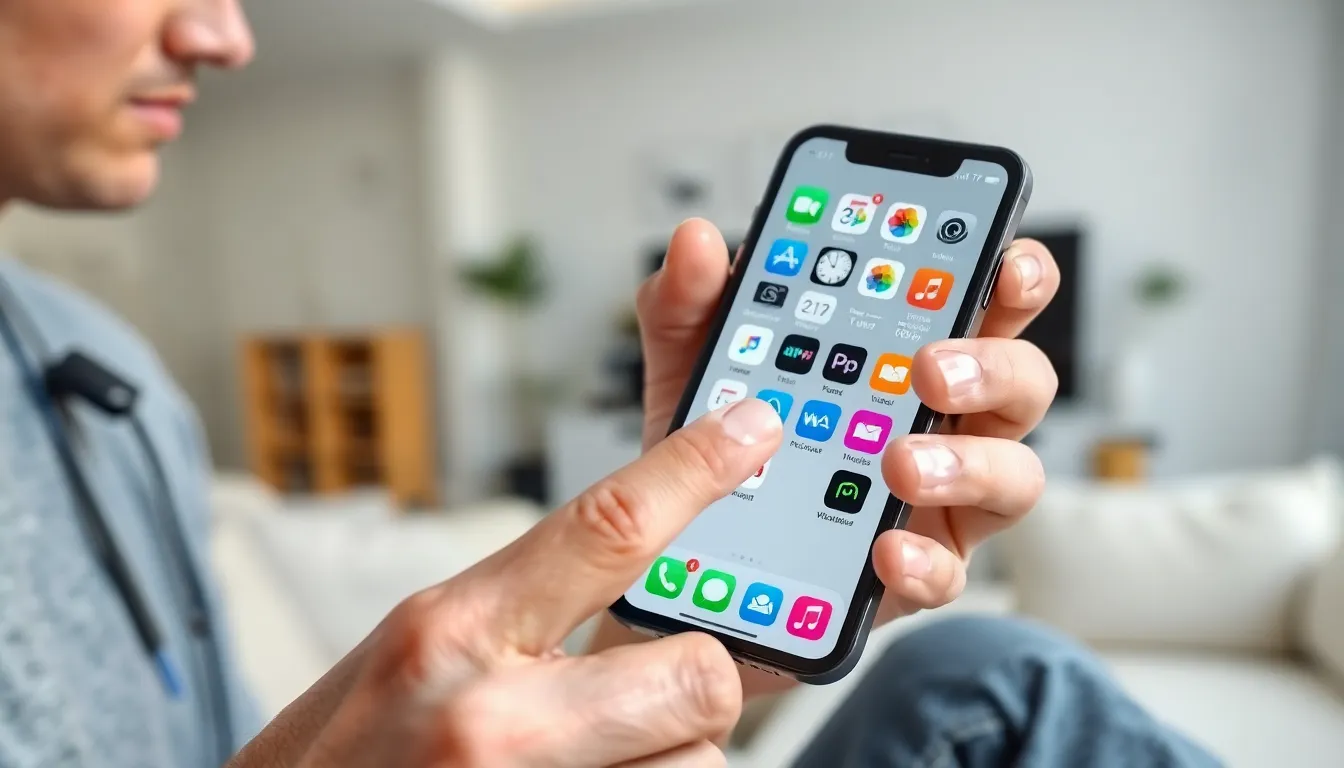
Using the App Switcher
Accessing the App Switcher allows users to close and refresh apps quickly. To use this feature, swipe up from the bottom edge of the screen and pause in the middle. This action displays all open apps. Users can then swipe left or right to locate the app needing a refresh. Swiping upwards on the app card closes it. Reopening the app from the home screen prompts a fresh start, loading the most current data.Manually Refreshing Individual Apps
Manually refreshing specific apps helps users get the latest in-app information. Open the app and look for a refresh icon, usually a circular arrow or a pull-down option at the top of the screen. Users tap this icon or pull down the interface to trigger an update. This method works efficiently for social media apps, news apps, or email apps that frequently display changing content. By doing this, they ensure they view real-time updates and notifications.Enabling App Background Refresh
Enabling Background App Refresh is key for maintaining updated app data. This feature allows apps to refresh their content automatically, ensuring users receive real-time updates.Adjusting Settings for Background Refresh
Accessing Background App Refresh settings requires navigating to Settings. Tap on General, then select Background App Refresh. Users can choose to enable this feature for either Wi-Fi or Wi-Fi and Cellular Data. Enabling both options optimizes performance while on various network types. Users also have the choice to turn off Background App Refresh entirely, which conserves battery life but may limit the freshness of app data.Managing Specific App Preferences
Managing preferences for individual apps offers more control. Users can scroll through the list of apps under Background App Refresh settings. For each app, options include enabling or disabling the feature based on specific needs. Activating Background App Refresh for key apps enhances user experience by ensuring the most current information is displayed. Disabling it for less critical apps can help preserve battery life and data usage.Troubleshooting Refresh Issues
App refresh issues can occur, impacting user experience. Identifying common problems and applying solutions helps maintain app functionality.Common Problems and Solutions
-
- Frozen Apps: Apps may become unresponsive. Restarting the app using the App Switcher often resolves this issue.
-
- Outdated Content: Sometimes apps display old information. Pulling down the app interface usually prompts a manual refresh.
-
- Background Refresh Disabled: If Background App Refresh is turned off, apps won’t update data automatically. Users can enable this feature in Settings to allow real-time updates.
-
- Network Connection Issues: Poor Wi-Fi or cellular connectivity can disrupt app refreshing. Checking the network status or switching between Wi-Fi and cellular can enhance connectivity.
-
- App-Specific Bugs: Occasionally, a particular app may have glitches. Updating the app through the App Store often fixes these bugs.